From Casino Nights to Treaty Rights: Inside Tribal Government: Wind River Reservation
By the WyoHistory.org Team
In the mid-1990s, you could play roulette in Wyoming. Nonprofit groups around the state held “casino nights” with blackjack, poker and dice, and local officials, even law enforcement officers, sometimes joined the players. An investigator hired by the Northern Arapaho Tribe counted 111 of these events in 14 months. Not one drew any action from law enforcement.
Yet the State of Wyoming insisted the tribe could not offer the same games on its own reservation.
Under the federal Indian Gaming Regulatory Act of 1988, a tribe that wants to offer casino games such as slot machines or roulette must first negotiate an agreement, called a compact, with its state, and the state must bargain in good faith. The Northern Arapaho asked Wyoming to negotiate in 1995. Nearly a decade of stalled talks, court rulings, and political maneuvering followed.
In 2002 a federal judge ruled that Wyoming had failed to negotiate in good faith, and a court-appointed mediator later sided with the tribe, persuaded in part by the casino-night evidence. The Northern Arapaho came away with something no other tribe had won: casino gaming without significant concessions to its state. The Northern Arapaho’s Wind River Casino opened in 2009.
The Eastern Shoshone took a different route. In 2006, once the Northern Arapaho had their federal gaming procedures, Gov. Dave Freudenthal quickly reached a compact with the Eastern Shoshone on similar terms. The tribe operates the Shoshone Rose Casino.
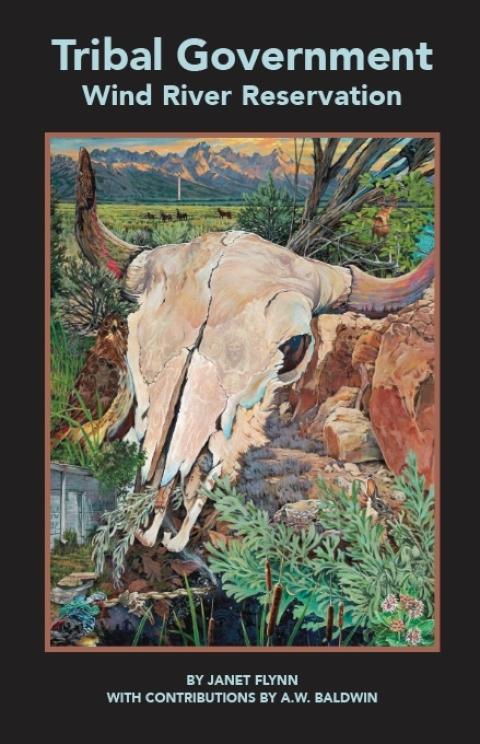
The full story is told in “Indian Gaming,” the newest chapter of Tribal Government: Wind River Reservation, a book WyoHistory.org helped bring back into print this year.
More than one story
The gaming chapter is the last of six. The book opens with traditional leadership under chiefs such as Washakie of the Eastern Shoshone and Black Coal and Sharp Nose of the Northern Arapaho. It then explains how the two tribes, once enemies, came to share one reservation. Later chapters follow the effects of treaties and land allotment, the rise of the tribal business councils, and how the tribes govern today, from their courts to questions of sovereignty.
The book was written with students in mind. Most chapters open with key names and terms and close with suggested reading, and the book supports Wyoming’s Indian Education for All standards. Chapter 2 already has a WyoHistory.org lesson plan, and more curricular materials are planned.
How the book came to be
Scott Ratliff, an Eastern Shoshone educator and the first Native American elected to the Wyoming Legislature, conceived the book. He recruited Janet Flynn, then a graduate student at the University at Albany, who spent months interviewing elders and leaders of both tribes. First published in 1991 and revised in 1998, the book served educators and legislators for more than two decades. Historian Shannon D. Smith, former executive director of Wyoming Humanities, led the new edition. When federal humanities funding was cut in 2025, Wyoming Humanities kept money in place for the project but could no longer finish it. WyoHistory.org took over, turning years of drafts and reviews into a final manuscript, recruiting tribal reviewers and working with WordsWorth Publishing of Cody to bring the book to print. WyoHistory.org now holds the copyright and will keep the book current.
How to order
The 170-page paperback sells for $19.50. Order it from WordsWorth Publishing, or ask your local bookstore to order it using ISBN 979-8-9939600-0-5. For bulk or tax-exempt orders, email renee@wordsworthpublishing.com.