“Not Again, Not This Time”: Discrimination in Cheyenne’s Hispanic Railroad Community
By Leslie Waggener
In 1995, Carol Pascal sat down with her aunts and uncles to record family stories about the Great Depression’s Mexican repatriation campaign, for a college oral history project. Nearly thirty years later, in November 2024, she recorded her own story of resilience, dignity, and quiet resistance as part of an oral history project preserving Union Pacific history through the voices of employees and their families. Together, the two projects reveal three generations of the Arias family’s experience with discrimination in twentieth-century Cheyenne, Wyoming, and why so much of it went unspoken for so long.
Carol’s Uncle Carlos Arias was 86 when she interviewed him, still sharp, still careful with his words. He remembered a Union Pacific car foreman named John Scott, known as the “Little General.” In 1931, Carlos said, Scott came to the Arias home with an offer: a free train pass if the family wanted to relocate to Mexico.
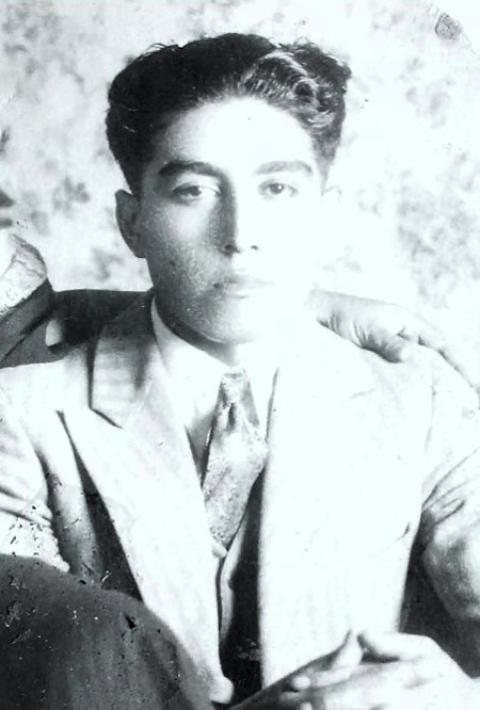
Carlos was 22, supporting his widowed mother and seven siblings. He understood the offer wasn’t really optional. “I am an American citizen, born here,” he told Scott. The family would be staying.
According to Carlos, Scott returned with a different message: Carlos had to give up his job because “they needed the jobs for white men.” Carlos kept working anyway, walking tall through the rail yards and trying to be invisible when he wasn’t on the clock, a strategy that earned him the nickname “Lightning.”
“I was very angry that he would come to our house, with my mother there and my sisters, and somehow hint that I wasn’t going to have my job for long,” Carlos told his niece. “It scared them; it scared me, but I wasn’t going to go unless they wrestled me to the ground and forced me.”
The Arias family’s experience was part of a broader pressure campaign during the Depression. Across the country, local officials and employers pushed Mexican and Mexican American families to leave. In Cheyenne, the effort targeted the city’s established Mexican American community, many of whom the Union Pacific had recruited in the early 1900s. Families were falsely told they’d receive land in Mexico if they left voluntarily, threatened with prison over back taxes, or warned that if any family member hadn’t been born in Wyoming, the whole family could be deported.
Carol’s Aunt Rosemary was 70 when Carol interviewed her, and she began crying almost immediately. She described her second-grade classroom in 1932, where she shared a desk with her best friend, Lucy Estrada, because of overcrowding. One by one, classmates disappeared. “The teacher would say, ‘All right, just one more day, Rosemary, and then you’ll have to take your own seat.’ ... the teacher knew it was me that didn’t want to be separated from Lucy,” Rosemary recalled.
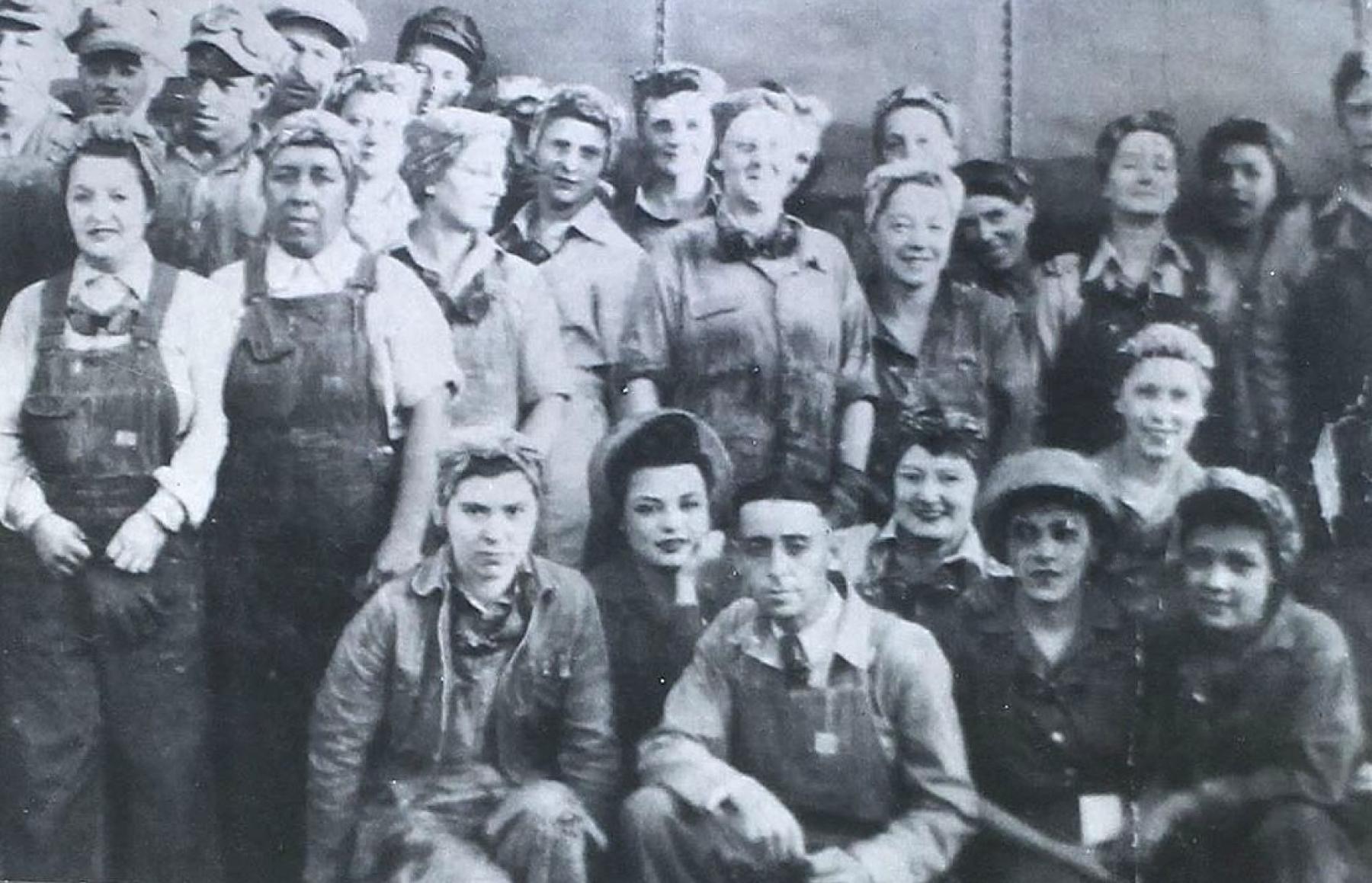
Then one day Lucy didn’t come to school. When Rosemary’s brother Carlos walked her home that Friday, their mother Josefina was waiting outside, the only time she ever did that. “One look at her face, her puffy eyes and her red nose, and I knew Lucy was gone,” Rosemary said. “We didn’t even talk on the way home. We just cried and held on to each other.”
The Estradas returned years later, destitute. “But I couldn’t get close to Lucy again,” Rosemary told Carol, crying six decades later. “She was behind in school; she was one of the disappeared ones... I left her behind like she was a leper or something.”
Not everyone left. Natividad “Nettie” Garcia de Arias told Carol that her father, Pablo Garcia, refused to even consider it: “When they want me, they know where I live. I’ll wait for them to come for me, but I will not voluntarily go.” No one ever came for the Garcias.
But Natividad heard about the Solis family, who did leave. After Mr. Solis died, his widow and children tried to come back and were caught. Immigration agents handcuffed the mother and daughter, chained the sons together, and sent the boys to La Tuna prison near El Paso for nearly six months. “The mother wasn’t born here but the boys and the daughter were,” Natividad said. “I guess if you sneak back in the country like they did after having once left it, you could be deported even if you were an American citizen.”
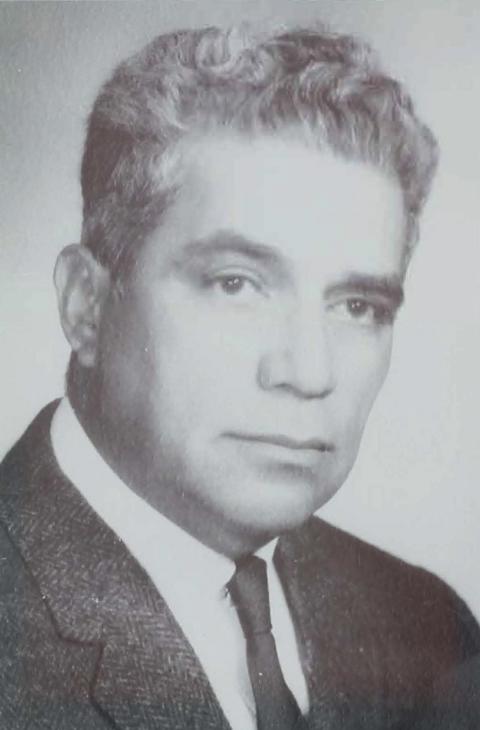
Her uncle Francisco “Frank” Arias told Carol he’d actually been born in Chihuahua, when his mother returned to Mexico for the birth. During his interview, he admitted he’d lied about his birthplace on his Civilian Conservation Corps papers, claiming El Paso instead. “If they had known she had a kid born in Mexico, even if everybody else was born here, they might have made her go,” Frank explained. “And me too.”
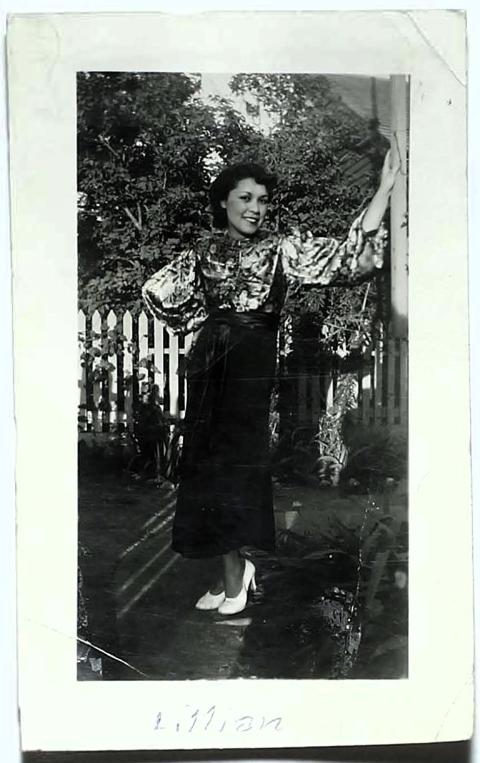
Carol’s Uncle Ruben revealed another family secret: her mother, Lillian, had been born with a different name. “Her name was Aldemira. You ever hear of a Mexican named Lillian?” he asked. Carol had never known that teachers at school, unable to pronounce Aldemira and calling it “too Mexican,” had started calling her Lillian instead. “Once she changed it, it was like the iron curtain came down,” Ruben said. “She made everyone, and I mean made everyone, call her Lillian.:” She’d changed it, Ruben said, “right after the trains.”
When Carol tried to interview Lillian directly, her mother was dismissive. “I have never in all my life been discriminated against,” she insisted. “Leave it alone!” As Ruben told Carol: “Sweetheart, the memories are there. They hurt whether you talk about them or not.”
The most wrenching interview came when Carol asked her mother about watching families leave. Lillian’s resistance finally broke, just slightly. She was in ninth grade, she said, when she went to the train station against her mother’s wishes and watched family after family board. She stayed through every departure. “I didn’t turn my face away. I wanted to see every face, to look them in the eyes if they would just look at me and let them know they were going to stay in my memory forever, every single one of them.”
“Did anyone take a picture?” Carol asked.
“I don’t know,” Lillian said. “I don’t need a picture. I got the picture.”
Carol’s 1995 interviews surfaced family stories that had gone unspoken for six decades, despite her closeness to her grandmother Josefina and her aunts and uncles. The repatriation campaign had happened only a decade before Carol’s birth, but no one in the family had discussed it with the next generation—until she asked.
That silence extended into Carol’s own childhood. Growing up in the 1950s, she sometimes heard Uncle Ruben mutter, “Not again. Not this time,” whenever Operation Wetback, the federal government’s 1954 mass deportation campaign targeting Mexican nationals in the Southwest, swept through Cheyenne, without ever explaining what he meant.
Born in 1942, Carol witnessed her own share of discrimination. One Saturday in the 1940s, she and her grandmother, Josefina Ronquillo, arrived early for the movies and stopped at a beauty school. “I walked in, and I said, ‘My grandmother would like to have her hair trimmed,’” Carol recalled. “And they said, ‘We don’t do Mexican’s hair here.’” Carol told her grandmother they were too busy and suggested returning later. As they walked toward the Lincoln Theater, her grandmother stopped her: “It is my job to protect you. It is not your job to protect me. If I ever need it, I will ask for it.” Carol understood then that her grandmother had understood everything the beauty school employees had said.
Housing covenants barred the family from buying property north of Pershing Boulevard — restrictions that, as Carol put it, excluded “Blacks, Jews, Mexicans, and Greeks.” The Rexall Drugstore once threw family members out of the store.
During World War II, Aunt Rosemary—the same aunt whose 1995 interview described losing her friend Lucy—worked for the Union Pacific wrapping meal packages for troop trains, tucking in notes like “Good luck” for the soldiers, until “they replaced her with an Anglo lady, and she went to work outside” as an engine cleaner, grueling work for a woman just over five feet tall.
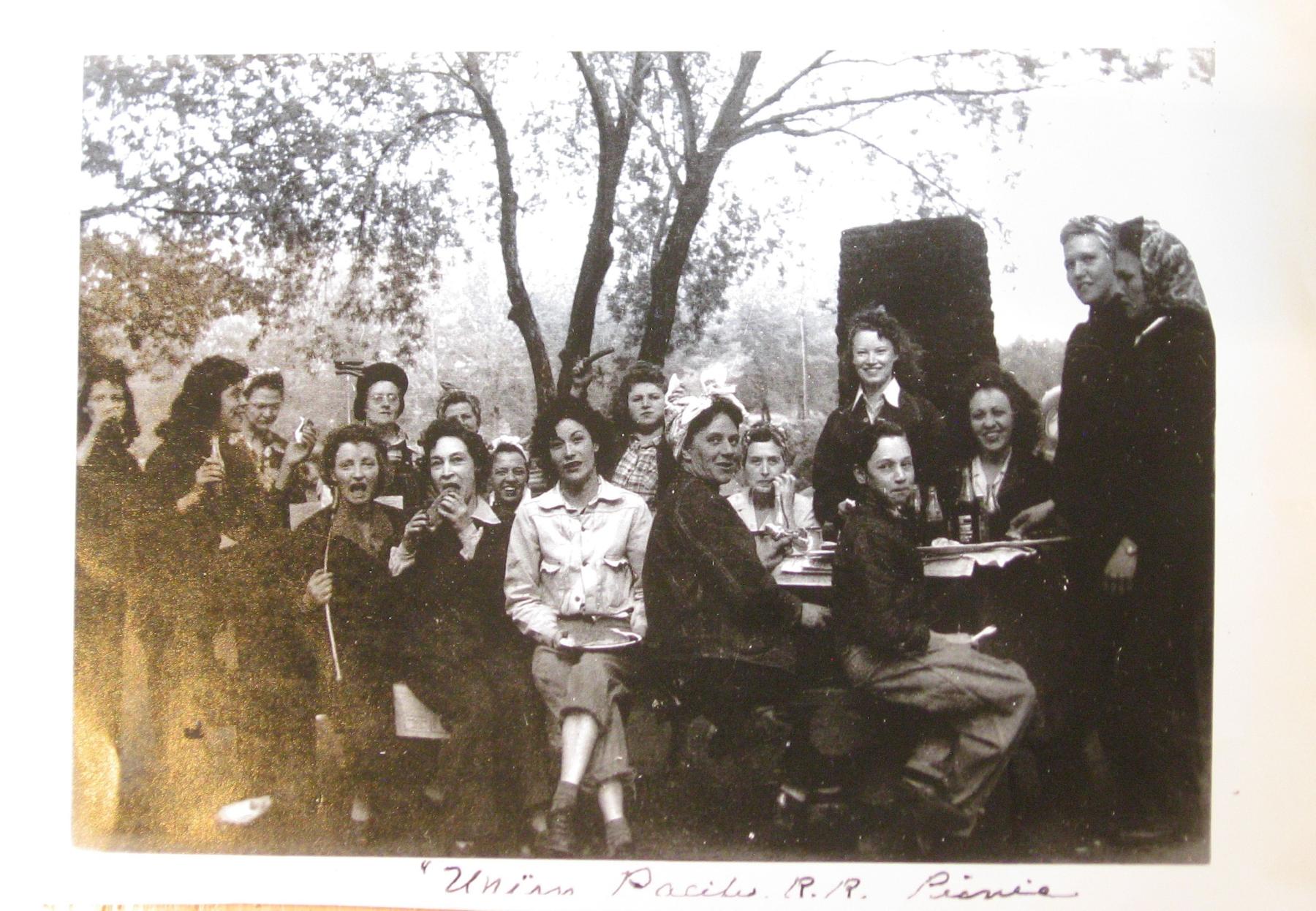
When the Union Pacific held a picnic for its women employees, Carol’s Aunt Lupe asked to attend and was told, “You can’t come.” The picnic was for white women only. Lupe’s response captured her family’s quiet defiance: “Well, I’ll just stand here if I can’t sit with you.”
In 1954, twelve-year-old Carol was walking home from the movies when a man in an official car asked her, “Do you speak English?” Certain it was Operation Wetback, she ran home the long way. Her grandmother immediately took her to get a passport of her own. Carol has carried it every day since, even now in her 80s.
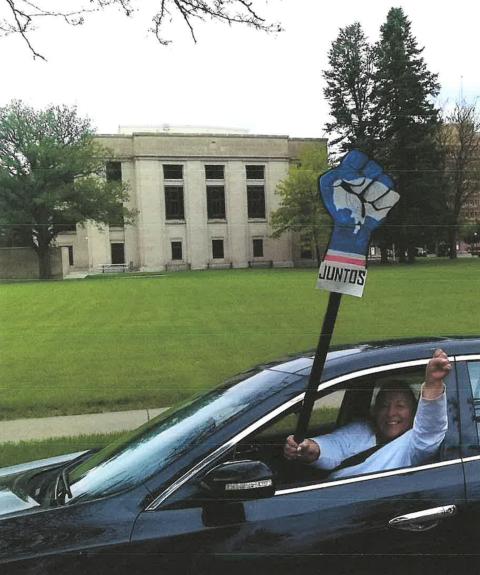
Carol’s family story—spanning her family’s memories of the 1930s and her own recollections of the decades that followed—reveals how discrimination shaped Hispanic life in twentieth-century Wyoming: renamed children, segregated workplaces, housing covenants, and organized deportation pressure. Yet the family persisted, working railroad jobs for generations, raising families, and maintaining their dignity. As Carol’s grandmother taught her: “Do it anyway. Do it now. Do it right.”
Today, Carol continues that legacy of quiet resistance, helping DACA recipients navigate immigration bureaucracy and advocating for immigrant rights. “We have a long way to go,” she says. “My job is to see that we don’t hurt people.”
This post draws on two oral history projects: Carol Matteson Pascal’s 1995 interviews with her aunts and uncles, completed as part of her senior honors project at the University of Texas at Dallas, and a November 2024 interview conducted by Tana Libolt with Carol Pascal in Cheyenne. Both are held in the “Life Between the Rails” oral history project at the American Heritage Center, University of Wyoming, funded by the Union Pacific Foundation.